
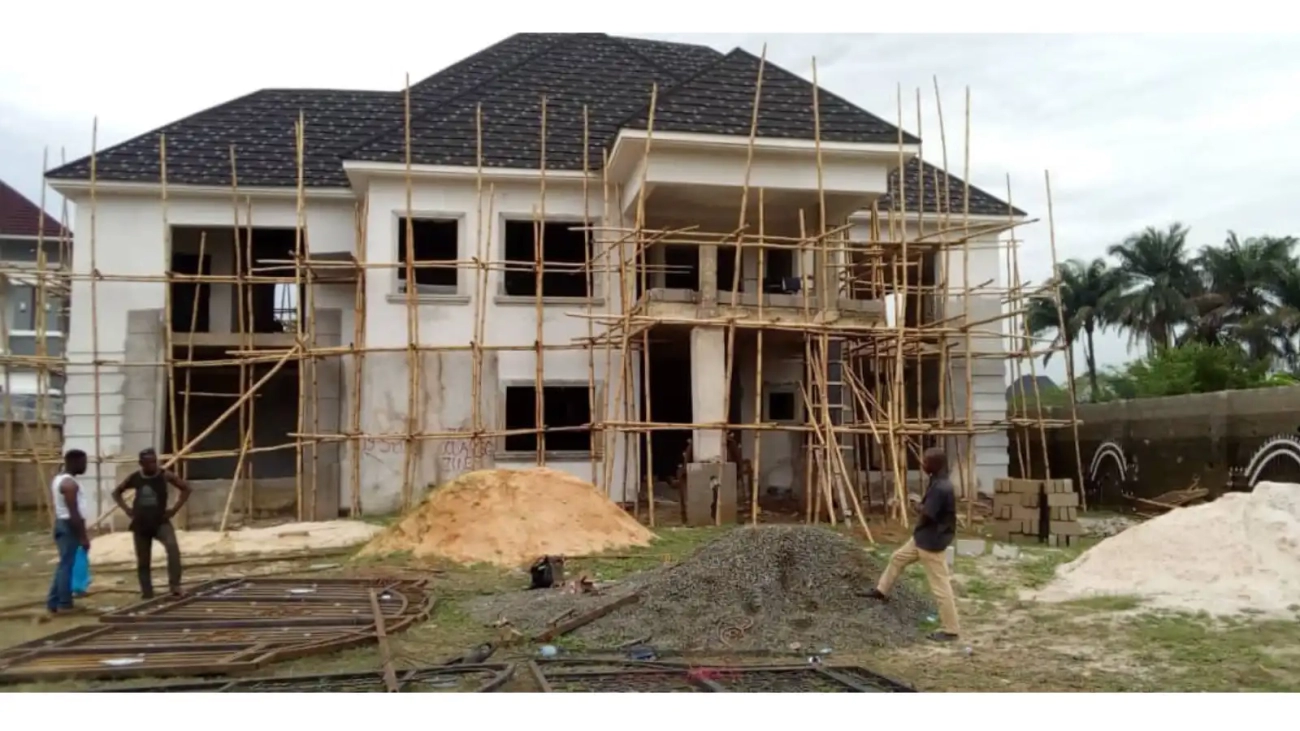
Building a house in Nigeria can be both exciting and challenging. Whether it’s for personal use or investment, careful planning and execution will save you time, money, and stress. Below are the major steps involved:
1. Plan Your Budget
Before you start, determine how much you can afford to spend. Your budget will guide decisions such as the location, size, and design of your house. Consider:
Cost of land
Professional fees (architect, surveyor, engineer)
Building materials
Labor and permits
Unexpected expenses (always keep a contingency fund)
2. Secure a Suitable Plot of Land
The location of your land will determine not only cost but also access to amenities, security, and property value.
Buy from a reputable source (government allocation, estate developers, or trusted private sellers).
Conduct a land search at the Land Registry to confirm ownership and ensure it’s free from disputes.
Obtain necessary documents (C of O, Deed of Assignment, Survey Plan, etc.).
3. Engage Professionals
Hire qualified and licensed professionals to avoid costly mistakes:
Architect – Designs your building plan and ensures compliance with local building codes.
Quantity Surveyor – Prepares cost estimates and helps manage your budget.
Structural Engineer – Ensures the building is structurally safe.
Builder/Contractor – Manages the construction work.
4. Get Building Approval
Before starting construction, submit your building plan to the town planning authority for approval. This ensures:
Compliance with zoning laws
Proper setbacks and spacing
Structural safety standards
5. Prepare the Land
Once approval is granted:
Clear the land of vegetation or debris
Level and mark the boundaries
Set out the building layout with pegs and ropes
6. Begin Construction
Construction is usually done in stages:
Foundation Work – Digging, pouring concrete, and blockwork to create a strong base.
DPC (Damp Proof Course) – Prevents moisture from rising into the building.
Wall Construction – Laying blocks/bricks up to lintel level and above.
Roofing – Installing the roof frame and covering.
Plastering and Screeding – Smoothing walls and preparing surfaces.
Electrical & Plumbing Works – Installing wiring, sockets, pipes, and water systems.
Windows, Doors & Fixtures – Fitting frames, windows, and doors.
Finishing – Painting, tiling, ceiling works, and final fittings.
7. Quality Control
Throughout construction:
Monitor materials to avoid substandard products.
Supervise workers to ensure work follows specifications.
Conduct regular inspections with your engineer.
8. Landscaping & External Works
Add final touches like:
Fencing and gates
Driveway or parking space
Drainage systems
Gardening
9. Final Inspection & Occupancy
Before moving in:
Ensure the building is safe and meets all structural requirements.
Get an Occupancy Certificate if required in your state.
✅ Key Tips:
Avoid cutting corners — it can lead to future structural problems.
Always use a written agreement when hiring contractors.
Source materials wisely; quality should come before low prices.
Keep a financial buffer for unexpected expenses.