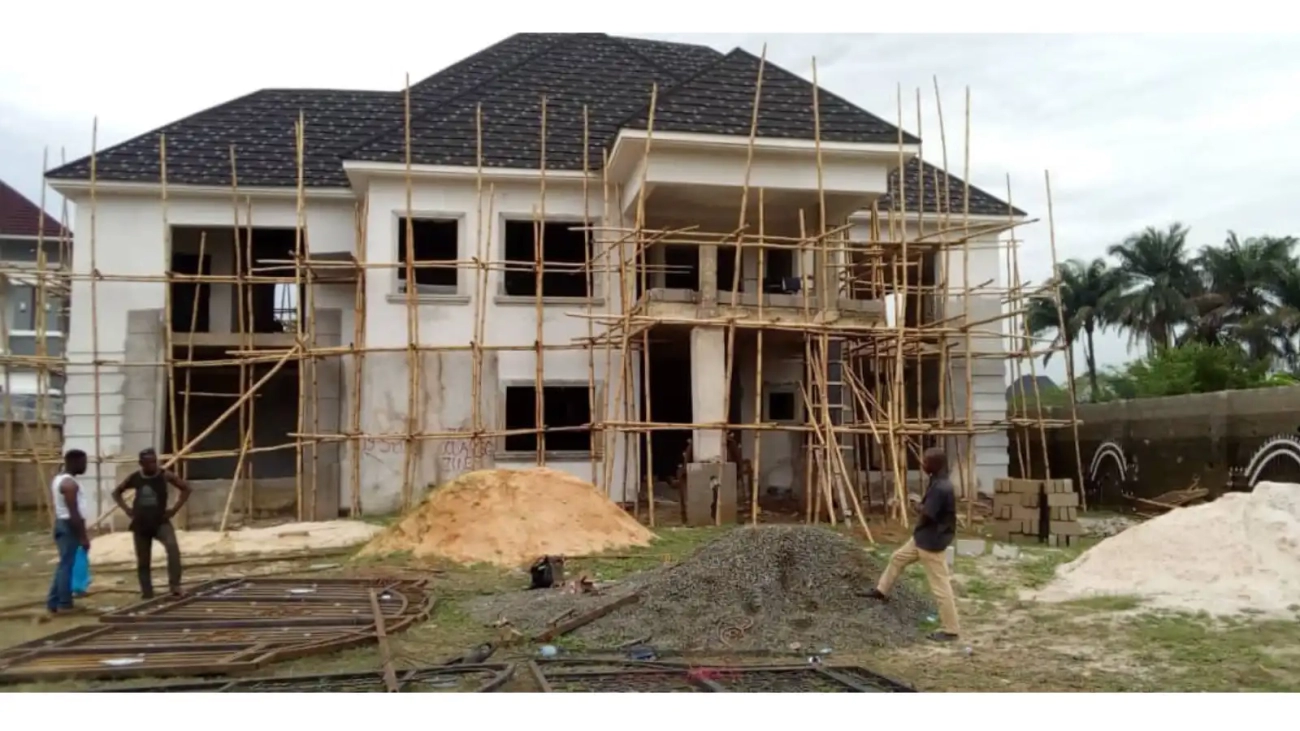
hq720 (3)

Trendy Home Decor Ideas for Your Home

Your home is more than just a place to live—it’s a reflection of your personality, style, and taste. As interior design trends evolve, updating your space with fresh and stylish decor can breathe new life into every room. Whether you prefer modern minimalism, cozy bohemian vibes, or bold statement pieces, here are some of the latest home decor trends to inspire you.

1. Nature-Inspired Elements

Bringing the outdoors inside is a timeless yet increasingly popular trend. From indoor plants and floral arrangements to natural wood finishes and stone accents, nature-inspired decor creates a calming and refreshing environment. Consider adding:

  • Potted plants or hanging planters

  • Rattan and wicker furniture

  • Organic cotton and linen textiles

2. Earthy & Neutral Color Palettes

Warm beiges, soft taupes, muted greens, and gentle terracotta shades are making a comeback. These tones create a serene backdrop, making your home feel cozy yet sophisticated. Pair them with textured throws, wooden accessories, and ceramic decor for depth.

3. Statement Lighting

Lighting is no longer just functional—it’s a centerpiece. Oversized pendant lights, sculptural floor lamps, and LED strip lighting add personality while setting the mood. Try mixing warm and cool lighting to create visual interest in different parts of your home.

4. Multifunctional Furniture

With the rise of compact living and home offices, multifunctional furniture has become essential. Look for:

  • Sofa beds for guest rooms

  • Extendable dining tables

  • Ottomans with storage space
    These pieces save space without sacrificing style.

5. Bold Accent Walls

A single wall painted in a bold color or covered in patterned wallpaper can completely transform a room. Current favorites include:

  • Deep navy or emerald green paint

  • Geometric or botanical wallpaper

  • Textured wall panels

6. Minimalist Yet Cozy Spaces

Minimalism isn’t about removing everything—it’s about choosing pieces intentionally. Soft textiles, layered rugs, and plush cushions can keep a minimalist room warm and inviting while still looking sleek.

7. Vintage & Sustainable Finds

Mixing vintage items with modern pieces adds character and reduces waste. Thrift stores, flea markets, and online marketplaces are treasure troves for unique, sustainable decor.

8. Smart Home Integration

From automated lighting to voice-controlled blinds, smart home technology is becoming a part of interior design. These features not only add convenience but also elevate the overall aesthetic with sleek, modern designs.

Final Thoughts

Decorating your home should be an enjoyable journey, not just a task. By blending current trends with your personal style, you can create a space that’s both fashionable and deeply personal. Whether you embrace nature, experiment with bold colors, or opt for sleek minimalism, the right decor will make your home feel fresh, stylish, and uniquely yours.


Ways-Buying-Land-Can-Make-You-Rich-Expeditiously

Why Investing in Land is a Smart Move

When it comes to building wealth, the smartest investors often look beyond quick wins and flashy trends. One of the most time-tested, reliable, and profitable strategies is investing in land. Unlike stocks that can plummet overnight or properties that depreciate with age, land is a finite resource — and they’re not making any more of it.

1. Land is a Limited Resource

As cities expand and populations grow, the demand for land naturally increases. This means that over time, land typically appreciates in value. It’s one of the few investments that’s almost guaranteed to get scarcer — and scarcity drives value.

2. Low Maintenance, Low Stress

Unlike buildings that require repairs, renovations, and tenant management, raw land doesn’t demand constant upkeep. You don’t have to worry about leaky roofs, broken pipes, or bad tenants. Your investment simply sits and grows in value.

3. Long-Term Stability

Real estate markets may fluctuate, but over decades, land values tend to rise steadily. It’s a solid hedge against inflation and a dependable store of wealth, making it a safe haven in uncertain economic times.

4. Multiple Investment Options

Owning land opens up different avenues for profit. You can hold it for long-term appreciation, lease it for agricultural or commercial use, develop it for residential projects, or even resell it to other investors at a higher price.

5. Freedom and Flexibility

When you own land, you control its destiny. You can decide whether to keep it untouched, build on it, farm it, or subdivide it. This flexibility allows you to adapt your investment strategy to changing market conditions.

Bottom Line:
Land isn’t just dirt — it’s opportunity. With low maintenance costs, consistent appreciation, and endless potential, investing in land is one of the smartest moves you can make for building long-term wealth. Whether you’re a seasoned investor or just starting, adding land to your portfolio could be the decision that sets you up for lasting financial success.

how-to-build-a-house-3

Steps To Building A House In Nigeria

Building a house in Nigeria can be both exciting and challenging. Whether it’s for personal use or investment, careful planning and execution will save you time, money, and stress. Below are the major steps involved:

1. Plan Your Budget

Before you start, determine how much you can afford to spend. Your budget will guide decisions such as the location, size, and design of your house. Consider:

  • Cost of land

  • Professional fees (architect, surveyor, engineer)

  • Building materials

  • Labor and permits

  • Unexpected expenses (always keep a contingency fund)

2. Secure a Suitable Plot of Land

The location of your land will determine not only cost but also access to amenities, security, and property value.

  • Buy from a reputable source (government allocation, estate developers, or trusted private sellers).

  • Conduct a land search at the Land Registry to confirm ownership and ensure it’s free from disputes.

  • Obtain necessary documents (C of O, Deed of Assignment, Survey Plan, etc.).

3. Engage Professionals

Hire qualified and licensed professionals to avoid costly mistakes:

  • Architect – Designs your building plan and ensures compliance with local building codes.

  • Quantity Surveyor – Prepares cost estimates and helps manage your budget.

  • Structural Engineer – Ensures the building is structurally safe.

  • Builder/Contractor – Manages the construction work.

4. Get Building Approval

Before starting construction, submit your building plan to the town planning authority for approval. This ensures:

  • Compliance with zoning laws

  • Proper setbacks and spacing

  • Structural safety standards

5. Prepare the Land

Once approval is granted:

  • Clear the land of vegetation or debris

  • Level and mark the boundaries

  • Set out the building layout with pegs and ropes

6. Begin Construction

Construction is usually done in stages:

  • Foundation Work – Digging, pouring concrete, and blockwork to create a strong base.

  • DPC (Damp Proof Course) – Prevents moisture from rising into the building.

  • Wall Construction – Laying blocks/bricks up to lintel level and above.

  • Roofing – Installing the roof frame and covering.

  • Plastering and Screeding – Smoothing walls and preparing surfaces.

  • Electrical & Plumbing Works – Installing wiring, sockets, pipes, and water systems.

  • Windows, Doors & Fixtures – Fitting frames, windows, and doors.

  • Finishing – Painting, tiling, ceiling works, and final fittings.

7. Quality Control

Throughout construction:

  • Monitor materials to avoid substandard products.

  • Supervise workers to ensure work follows specifications.

  • Conduct regular inspections with your engineer.

8. Landscaping & External Works

Add final touches like:

  • Fencing and gates

  • Driveway or parking space

  • Drainage systems

  • Gardening

9. Final Inspection & Occupancy

Before moving in:

  • Ensure the building is safe and meets all structural requirements.

  • Get an Occupancy Certificate if required in your state.


Key Tips:

  • Avoid cutting corners — it can lead to future structural problems.

  • Always use a written agreement when hiring contractors.

  • Source materials wisely; quality should come before low prices.

  • Keep a financial buffer for unexpected expenses.

FreeByrdco_realistic_distressed_modest_house

How to Make Money Through Distressed Properties in Nigeria

Distressed properties are real estate assets being sold below market value because the owner is in urgent need of cash or can no longer maintain the property. In Nigeria, these opportunities often arise due to financial hardship, relocation, divorce, debt repayment, or foreclosure by banks. For smart investors, distressed properties can be a goldmine — if you know how to identify, acquire, and flip them profitably.

1. Understand What Distressed Properties Are

A distressed property is one where:

  • The owner urgently needs to sell (motivated seller).

  • The property is under a bank foreclosure process.

  • The building is physically run-down and needs renovation.

  • The seller is unable to keep up with mortgage or maintenance costs.

These scenarios create an opportunity to negotiate a price far below the market rate.

2. Why Distressed Properties Are a Money-Making Opportunity in Nigeria

  • Below-market purchase price – Often 20–50% cheaper.

  • High resale value – Renovated properties can be resold or rented at full market price.

  • Fast-growing demand – Urban migration and housing shortages keep demand strong.

  • Multiple exit strategies – Flip and sell, rent out, or convert into short-let/Airbnb.

3. Steps to Make Money from Distressed Properties

Step 1: Identify Genuine Distressed Deals

  • Sources:

    • Bank foreclosure listings (especially from AMCON, mortgage banks).

    • Real estate agents who specialize in quick sales.

    • Classified ads (e.g., Jiji, PropertyPro, Facebook Marketplace).

    • Word of mouth from local communities.

Tip: Always verify the urgency — some sellers just use the word “distressed” to lure buyers.

Step 2: Verify Legal Status

In Nigeria, land scams are common, so do thorough checks:

  • Confirm property title (C of O, Deed of Assignment, Governor’s Consent).

  • Check for unpaid taxes or loans tied to the property.

  • Use a lawyer for proper due diligence at the Land Registry.

Step 3: Negotiate the Price

  • Offer 20–40% less than asking price — the seller’s urgency works in your favour.

  • Emphasise your ability to close quickly (cash buyers usually get the best deals).

Step 4: Renovate Strategically

  • Focus on cost-effective upgrades that boost property value:

    • Painting & plastering

    • Plumbing and electrical fixes

    • Kitchen and bathroom upgrades

  • Avoid over-renovating; your goal is a good ROI, not personal taste.

Step 5: Choose Your Exit Strategy

  • Flip and Sell: Resell after renovation at market price for quick profit.

  • Rent Out: Generate steady income (good in high-demand urban areas).

  • Short-let/Airbnb: Higher income potential in cities like Lagos, Abuja, Port Harcourt.

  • Land Banking: If it’s land in a developing area, hold it for future appreciation.

4. Risks and How to Manage Them

  • Title fraud: Always run thorough checks before paying.

  • Underestimating renovation costs: Get multiple quotes before purchase.

  • Market slowdown: Avoid overpaying; keep room for profit even if sales take longer.

  • Hidden structural issues: Hire a property inspector if possible.

5. Real-Life Example

A 4-bedroom duplex in Lekki, listed at ₦75m, was under bank foreclosure. The investor bought it for ₦55m, spent ₦4m on renovation, and resold for ₦78m — netting about ₦19m profit in under 6 months.

Final Thoughts

Making money from distressed properties in Nigeria requires:

  • Sharp negotiation skills.

  • Strong legal due diligence.

  • Access to quick funding.

  • A clear renovation and exit plan.

When done right, it can yield returns far higher than traditional property investment, making it one of the smartest ways to build wealth in Nigeria’s booming real estate market.